

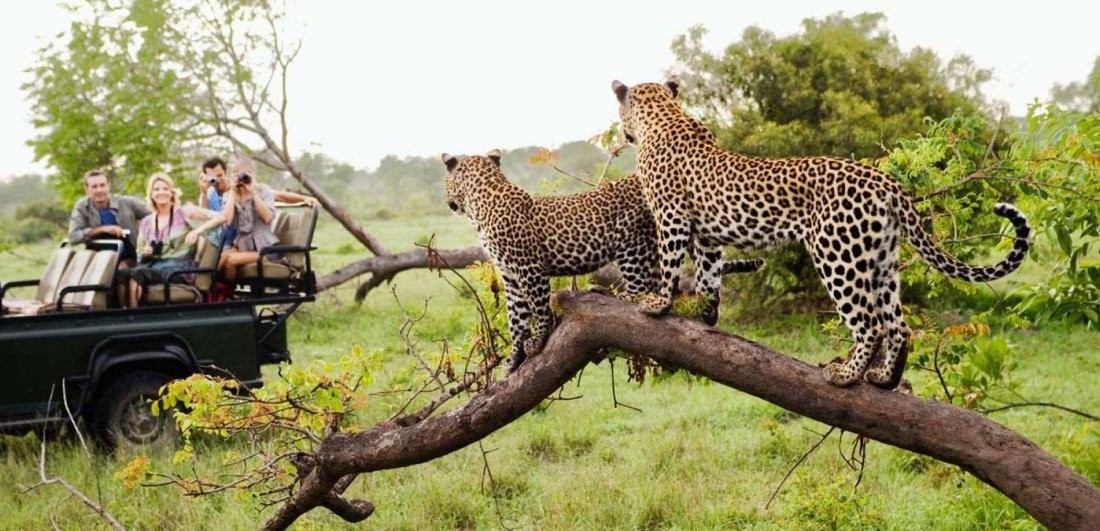
Embarking on a big five safari is one of the most thrilling ways to experience the raw beauty and untamed wilderness of Africa. This iconic adventure focuses on spotting the continent’s most majestic and formidable animals: the lion, leopard, rhinoceros, elephant, and African buffalo. Coined by early big-game hunters, the term “big five” originally referred to the difficulty and danger involved in pursuing these creatures on foot. Today, however, a big five safari has evolved into a non-invasive, photography-driven pursuit that emphasizes conservation and ethical wildlife viewing. Whether you’re a seasoned traveler or a first-time adventurer, the allure of witnessing these charismatic megafauna in their natural habitats draws millions to Africa’s game reserves each year.
What makes a big five safari so special? It’s not just about ticking off a checklist; it’s about immersing yourself in the symphony of the savanna—the roar of a lion at dawn, the stealthy shadow of a leopard in the trees, or the thunderous charge of a buffalo herd. These experiences offer profound insights into Africa’s ecosystems and the delicate balance of life on the plains. With destinations spanning from South Africa’s vast parks to Tanzania’s endless grasslands, a big five safari caters to various budgets and preferences, from luxury lodges to budget-friendly camps. In this guide, we’ll explore everything you need to know to plan your perfect big five safari, including the animals themselves, top spots, tips, and more. By incorporating semantic SEO practices, we’ll delve into related aspects like African wildlife safaris, game drives, and conservation efforts to provide a comprehensive resource for your journey.
What Are the Big Five Animals?
At the heart of any big five safari are the animals that give it its name. These aren’t chosen for their size alone but for their historical significance as challenging quarry for hunters. Now, they symbolize Africa’s rich biodiversity and are protected in numerous reserves.
Starting with the African elephant, the largest land animal on Earth, these gentle giants can weigh up to 6 tons and stand over 10 feet tall at the shoulder. Known for their intelligence and complex social structures, elephants use their trunks for everything from foraging to communicating. On a big five safari, spotting a herd crossing a river or dusting themselves with mud is a highlight, but remember they’re protective of their young and can charge if threatened.
Next is the rhinoceros, encompassing both black and white species. The black rhino is critically endangered due to poaching for its horns, while the white rhino is near threatened. These prehistoric-looking herbivores are solitary and elusive, making sightings a true triumph on your big five safari. Their poor eyesight is compensated by acute hearing and smell, and they can charge at speeds up to 30 mph.
The African buffalo, often called the “black death” by hunters, is a robust bovine that travels in large herds for protection. Unlike the others, it’s not endangered, but its unpredictable nature makes it one of the most dangerous. During a big five safari, you might witness dramatic scenes of buffaloes defending against predators, showcasing their curved horns and sheer power.
The lion, dubbed the king of the jungle, is a social cat living in prides. Males sport iconic manes, and these apex predators are most active at dusk and dawn. A big five safari often includes thrilling game drives where you can observe lions lounging in the shade or coordinating a hunt, highlighting their role in maintaining ecosystem balance.
Finally, the leopard is the most elusive of the bunch, a master of camouflage with its rosette-spotted coat. Nocturnal and solitary, leopards are arboreal hunters, often dragging prey into trees. Spotting one on a big five safari requires patience and a keen guide, but the reward is unparalleled.
Each of these animals contributes uniquely to the thrill of a big five safari, blending danger, beauty, and ecological importance.
Top Destinations for Your Big Five Safari
Choosing the right location is key to a successful big five safari. Africa boasts several hotspots where all five animals can be spotted, each offering unique landscapes and experiences.
- South Africa – Kruger National Park: As one of Africa’s largest reserves, Kruger is a prime big five safari destination with over 147 mammal species. Highlights include open-vehicle game drives around watering holes, where animals congregate in the early morning. Wildlife abounds, from lions stalking prey to elephants bathing. Tips: Opt for a guided tour staying inside the park for multiple drives; it’s family-friendly and accessible year-round.
- Tanzania – Serengeti and Ngorongoro Crater: This duo provides endless plains and a massive caldera teeming with life. The Serengeti is famous for the Great Migration, while Ngorongoro hosts high lion densities and black rhinos. For your big five safari, visit July to September to see herds of wildebeest alongside the big five. Tips: Choose lodge safaris for comfort and expert guides to navigate the vast terrain.
- Namibia – Etosha National Park and Waterberg Plateau Park: Namibia’s stark beauty shines here, with Etosha’s salt pan attracting wildlife. Spot four of the big five in Etosha (buffalo in Waterberg), plus cheetahs. Highlights include sunset views from lodges and cultural encounters with Himba people. Tips: Combine parks in a lodge safari for diverse experiences; the dry season enhances sightings at waterholes.
- Botswana – Moremi Game Reserve & Chobe National Park: Lush deltas and rivers make this a water-based big five safari paradise. Moremi’s swamps host elephants and rhinos, while Chobe boasts massive buffalo herds. Birdlife and hippos add to the spectacle. Tips: Stay on a houseboat for immersive viewing; avoid peak wet seasons for better road access.
- Kenya – Maasai Mara Game Reserve: Known for its dense animal populations, the Mara is ideal for big five safaris, especially during the migration from July to October. Prides of lions and leopards are common, with tented camps offering proximity to the action. Tips: Book premium camps for morning and afternoon drives; engage with Maasai culture for a holistic experience.
These destinations ensure your big five safari is filled with memorable encounters, supported by excellent infrastructure and conservation initiatives.
What to Expect on a Big Five Safari
A typical big five safari involves early morning and late afternoon game drives in open 4×4 vehicles, led by knowledgeable rangers who track animals using signs like footprints and calls. Expect dusty roads, stunning sunrises, and the thrill of unpredictability—wildlife doesn’t follow schedules. Accommodations range from luxury tents with en-suite bathrooms to basic camps, often including meals and evening bush walks. Beyond the big five, you’ll see giraffes, zebras, and birds, enriching the experience. Weather varies; dry seasons (June-October) offer better visibility, while wet seasons bring lush scenery and fewer crowds. Safety is paramount—stay in vehicles and follow guides’ instructions to respect the animals’ space.
Essential Tips for a Successful Big Five Safari
To maximize your big five safari, preparation is crucial. Pack neutral-colored clothing to blend in, binoculars for distant views, and sunscreen for long drives. Choose ethical operators prioritizing conservation, like those avoiding off-road driving. Learn basic animal behaviors to appreciate sightings more deeply. Budget for extras like park fees and tips. For photography enthusiasts, bring a telephoto lens. Health-wise, get vaccinations and malaria prophylaxis if needed. Finally, embrace patience— not every drive guarantees all five, but the journey itself is rewarding.
The Conservation Importance of Big Five Safaris
Big five safaris play a vital role in conservation. Revenue from tourism funds anti-poaching efforts and habitat protection, especially for endangered species like rhinos and elephants. By choosing sustainable tours, you contribute to preserving Africa’s wildlife for future generations.
FAQs
What is a big five safari?
A big five safari is a wildlife adventure in Africa aimed at spotting the lion, leopard, rhino, elephant, and buffalo in their natural habitats, often through guided game drives.
When is the best time for a big five safari?
The dry season (June to October) is ideal for most destinations, as animals gather at water sources, improving visibility.
How much does a big five safari cost?
Costs vary from $200-$1000 per day, depending on luxury level, duration, and location. Budget options exist, but include flights and visas in planning.
Are big five safaris safe?
Yes, with experienced guides and adherence to rules. Animals are wild, but incidents are rare in reputable operations.
Can families go on a big five safari?
Absolutely—many parks offer family-friendly lodges and activities, though check age restrictions for certain drives.
Final Words
A big five safari isn’t just a trip; it’s a transformative encounter with nature’s wonders. From the savannas of Kruger to the craters of Tanzania, these adventures foster a deeper appreciation for Africa’s wildlife. As you plan yours, remember to travel responsibly, supporting conservation. Whether you spot all five or not, the memories will last a lifetime. Start your big five safari journey today and discover the magic of the wild.
