

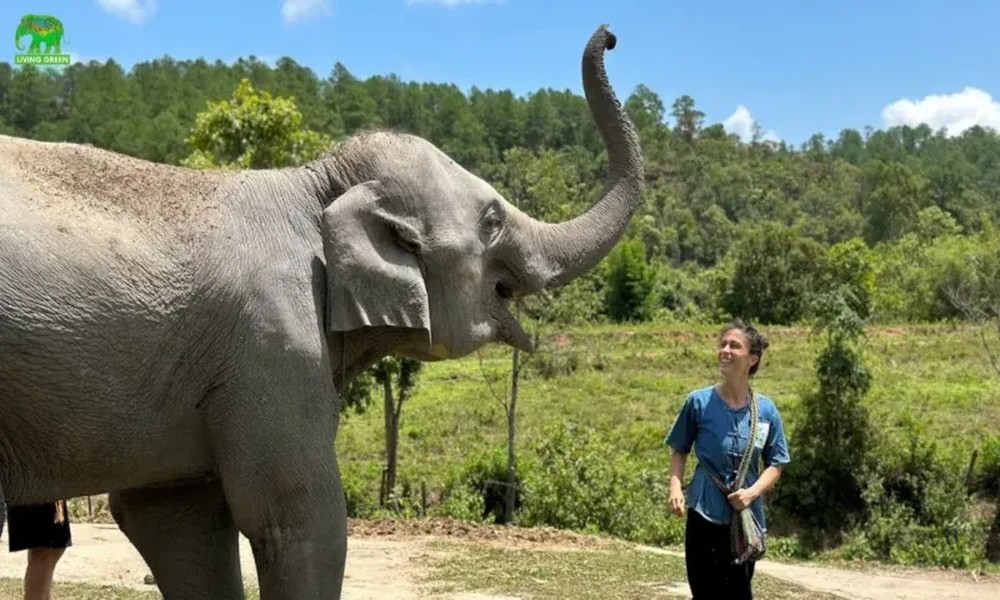
Gentle curiosity drives attention toward ethical wildlife care across mindful communities today. Growing awareness shapes choices toward spaces prioritizing animal respect over display activities. The rise of koh phangan elephant sanctuary reflects this steady behavioral shift globally. Visitors value transparency where care methods support animal well-being without pressure. Balanced interaction builds knowledge while promoting sustainable conservation actions across changing environments.
Ethical wildlife approach shaping modern visitor choices
Clear care standards influence decision making across responsible wildlife observation environments. Respect-driven systems replace outdated control methods, ensuring animals feel secure always.
Better awareness strengthens trust while improving long term support for conservation goals.Simple observation rules reduce disturbance while maintaining a safe human presence always.
Learning-based visits improve awareness levels
Knowledge sharing builds an understanding of animal behaviour and emotional requirements clearly. Guided sessions provide insight into rehabilitation journeys and ethical care routines daily.
Visitors learn respect through structured observation without disturbing natural animal rhythms.Awareness leads toward responsible habits beyond visits, supporting conservation consistently.
Animal wellbeing priorities guiding ethical practices
Strong care focus ensures animals receive attention without forced activity expectations. Balanced routines protect both physical health and emotional stability across environments.
- Daily monitoring ensures animals maintain a healthy condition without stress indicators
- Gentle care methods avoid harsh training systems and encourage natural movement
- Rest periods allow animals to recover without disturbance from external factors
- Medical supervision supports recovery while maintaining calm and stable surroundings
- Behaviour observation helps identify changes and improve welfare management continuously
Visitor guidelines supporting respectful engagement
Clear instructions help maintain safety while protecting animals from unnecessary interaction. Responsible behaviors ensures calm surroundings and avoids disturbance during daily routines.
- Follow staff instructions carefully during the entire visit without ignoring guidance
- Maintain a safe distance while observing animals moving across open areas
- Avoid loud sounds that may disturb animals resting or feeding calmly
- Do not attempt physical contact unless permitted by trained staff members
- Respect boundaries set to ensure both visitor safety and animal wellbeing
Environmental design supporting natural animal movement
Spacious surroundings allow animals to move freely without restriction or pressure. Natural elements improve comfort while supporting physical activity across daily routines.
- Wide open areas provide freedom for animals to walk without barriers
- Natural shade zones protect animals from extreme heat conditions effectively
- Water sources support hydration and bathing activities throughout daily cycles
- Soft ground surfaces reduce the risk of injury and support movement easily
- Enrichment features stimulate mental activity without forcing unnatural behaviors
Why are ethical sanctuaries gaining growing attention?
Interest rises as awareness about animal rights continues to expand globally today. Ethical systems offer meaningful observation without causing stress to animals present.
Visitors prefer transparency where care standards align with responsible values consistently.Such places create understanding about conservation without forcing entertainment activities.
How do visits influence conservation awareness?
Visits create awareness about the importance of ethical care and wildlife protection clearly.Knowledge gained influences daily behaviour, supporting responsible environmental actions consistently.Understanding encourages long term commitment toward conservation and ethical choices globally.
Key comparison factors across wildlife care systems
|
Aspect Focus |
Ethical Care Systems |
Non ethical Systems |
|
Animal Treatment |
Respect based handling without forced activities |
Performance driven handling causing stress |
|
Visitor Interaction |
Limited and controlled observation |
Frequent contact increasing animal anxiety |
|
Living Conditions |
Open spaces supporting natural movement |
Restricted areas limiting natural behaviour |
|
Education Value |
Strong focus on awareness programs |
Minimal learning opportunities provided |
|
Sustainability Practices |
Eco friendly operations with resource efficiency |
Limited focus on environmental responsibility |
Thoughtful path forward
Care-driven decisions shape future wildlife protection through consistent, responsible actions. Knowledge builds respect while guiding better choices across ethical observation spaces. Selecting kohphangan elephant sanctuary reflects a commitment toward balanced coexistence principles. Each visit supports awareness while encouraging sustainable habits across changing environments. Steady effort ensures meaningful progress without seeking perfection in every step.
