

Cruising is one of life’s great pleasures, but the sea demands respect. The difference between a wonderful voyage and a dangerous situation often comes down to preparation – the safety gear you carry, the checks you make, and the habits you build. The reassuring news is that good boating safety isn’t complicated or fear-inducing. It’s simply a set of sensible practices that become second nature.
Whether you’re new to cruising or brushing up before a big trip, these are the boating safety essentials every cruiser should know before casting off.
Essential Safety Equipment
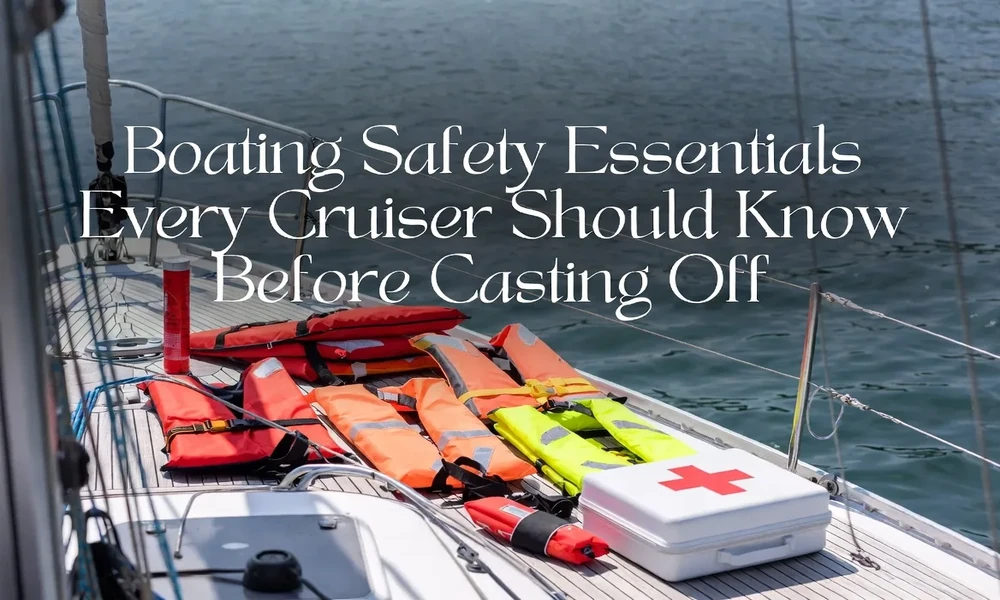
Every boat should carry a core set of safety gear, well-maintained and easy to reach. At a minimum this includes:
- Properly fitted life jackets for everyone aboard
- A throwable flotation device
- Fire extinguishers, checked and in date
- Visual distress signals (flares or equivalent)
- A first-aid kit suited to your crew and trip length
- A working VHF radio for communication
- Navigation lights in good order
Knowing you have the right equipment – and that it works – is the foundation of safe cruising.
Know Where Everything Is
Owning safety gear isn’t enough; everyone aboard needs to know where it lives and how to use it. Before departure, brief your crew and any guests on the location of life jackets, flares, the first-aid kit, and fire extinguishers, and make sure at least one other person knows the basics of operating the radio and starting the engine. In an emergency, seconds matter, and fumbling for gear in an unfamiliar locker costs precious time.
Check the Weather – Always
Weather is the single biggest safety factor in cruising. Always check the forecast before you leave and keep monitoring it underway, since conditions change. Understand the local weather patterns of your cruising area, and never let a schedule pressure you into going out in conditions beyond your experience or your boat’s capability. The sea will always be there tomorrow – it’s far better to wait than to push your luck.
Build Good Pre-Departure Habits
A consistent pre-departure routine catches problems before they become emergencies. Before each trip, check fuel and fluid levels, test the engine and bilge pumps, confirm your navigation electronics are working, ensure safety gear is aboard and accessible, and let someone ashore know your plan and expected return. This simple discipline is one of the most powerful safety tools you have.
Learn the Fundamentals
Confidence at sea comes from knowledge, and there’s always more to learn – from basic navigation and rules of the road to anchoring, docking, and handling rough weather. Investing in your education makes you a safer, calmer skipper. A strong library of practical resources helps enormously here; the
boating guides at US Nautics cover safety, seamanship, and boat handling in an approachable way, making them a valuable reference for cruisers building their skills. The more you understand, the better you’ll handle whatever the sea presents.
Man Overboard Preparedness
A person in the water is one of the most serious emergencies at sea, so prepare for it before it can happen. Discuss and practice a man-overboard procedure with your crew, insist on life jackets in rough conditions or at night, use jacklines and harnesses when appropriate, and establish a firm “one hand for the boat” rule when moving around. Prevention is far easier than recovery, so prioritize staying aboard in the first place.
Keep Your Gear Maintained
Safety equipment only helps if it works when you need it, so regular maintenance is part of safe cruising. Check the expiry dates on flares and fire extinguishers, inspect life jackets for wear and confirm their inflation mechanisms are intact, test your radio and navigation lights, and service your bilge pumps. Build these checks into a seasonal routine so nothing quietly expires or fails unnoticed. A well-maintained boat is a safe boat, and catching small issues at the dock prevents them from becoming emergencies at sea.
Stay Calm and Prepared
Finally, remember that most emergencies at sea are manageable when you’re prepared and stay calm. Panic is the enemy; a clear head and a rehearsed plan are your best assets. The cruisers who handle problems well aren’t fearless – they’re prepared, which lets them respond rather than react.
Final Thoughts
Boating safety isn’t about fear – it’s about freedom. When you carry the right gear, build good habits, respect the weather, and know your fundamentals, you’re free to enjoy cruising with genuine confidence. Make these essentials second nature before you cast off, and every voyage becomes not just more enjoyable, but safer for everyone aboard.
Whether you’re looking to learn more about boating, buy a boat or yacht, rent a vessel for your next adventure, or find the right accessories for life on the water, US Nautics has you covered – with practical boating guides, boats and yachts for sale, and honest, hands-on reviews of the gear and accessories that matter most. It’s a genuinely useful resource to bookmark and keep coming back to as your time on the water grows.
